
Sui vs. Aptos: A Head-to-Head in the Move Blockchain Arena
大家都在用的虚拟币交易平台推荐:
- OKX(欧易)>>>进入官网<<< >>>官方下载<<<
- Binance(币安)>>>进入官网<<< >>>官方下载<<<
Sui and Aptos, both stemming from Meta's Diem project, have diverged significantly in their approach and goals. Only one truly seems built for mass adoption. This piece dives into why I believe Sui is pulling ahead.
The Core Difference: Execution Models
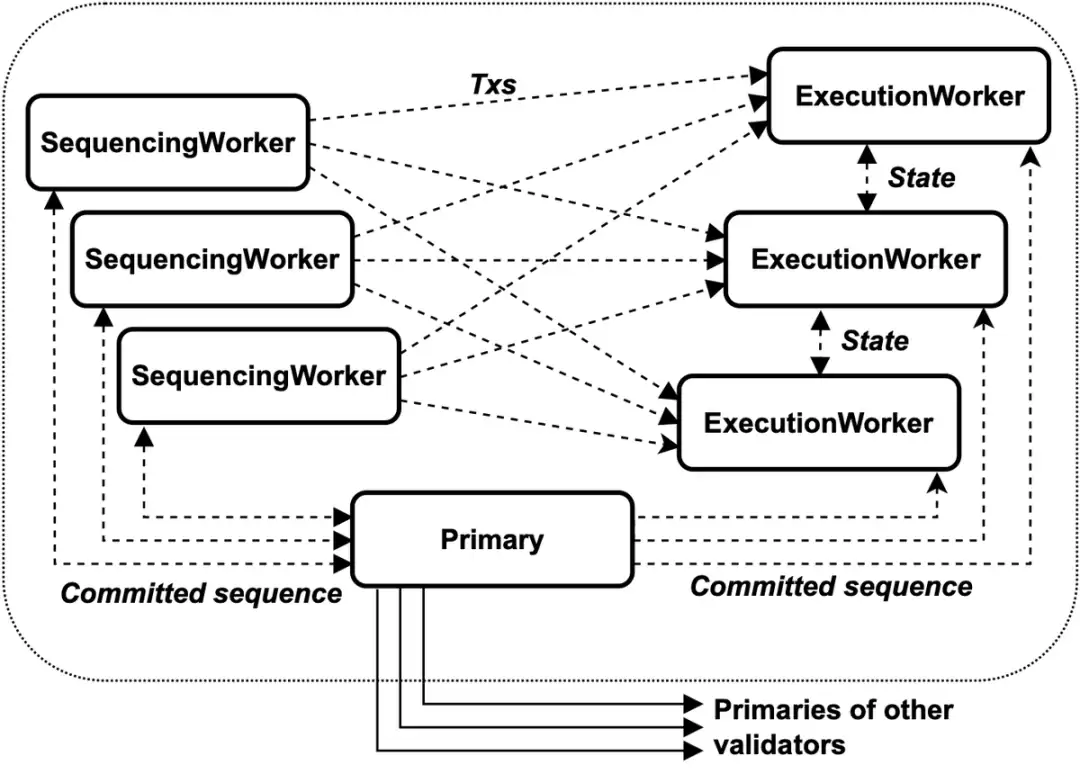
On the surface, Sui and Aptos share much: both utilize the Move programming language, promise high scalability, and target widespread Web3 adoption. However, their transaction processing fundamentally differs, and this is where Sui shines, in my opinion.
Parallel vs. Sequential Execution
Sui employs a genuinely parallel execution model, capable of handling thousands of transactions concurrently, preventing network congestion. Aptos, while attempting parallelism with its Block-STM technology, still requires sequential transaction verification, creating a bottleneck. This inherent speed advantage gives Sui a significant edge. Aptos, in contrast, relies on more traditional transaction ordering.
Sui's Bottleneck-Free Design
Aptos's approach of packaging transactions into blocks for processing creates a potential performance bottleneck. Sui, by discarding global ordering and allowing independent execution of unrelated transactions, achieves high-speed processing with minimal latency. It's a more elegant solution, if you ask me.
Sui's Smarter Approach
Sui's dynamic gas pricing mechanism prevents users from overpaying to prioritize transactions during periods of high demand. Aptos, sticking to a traditional gas model, sees fees skyrocket during congestion. This is a crucial difference for user experience.
Sui's Enhanced Move Language
While both use Move, Sui has deeply customized it into an object-based model. This translates to several advantages: improved developer experience, enhanced smart contract efficiency, and superior security. Aptos, using the original Move version, lacks this targeted optimization.
The NFT and Gaming Landscape
Speed, low cost, and high throughput are paramount in the NFT and gaming sectors. Sui's object-centric model enables instantaneous asset ownership changes without complex smart contract logic. Aptos, on the other hand, requires significantly more on-chain computation for each transfer, resulting in slower speeds and higher costs. Sui is clearly better suited here.

Ecosystem Growth: Sui's Organic Ascent
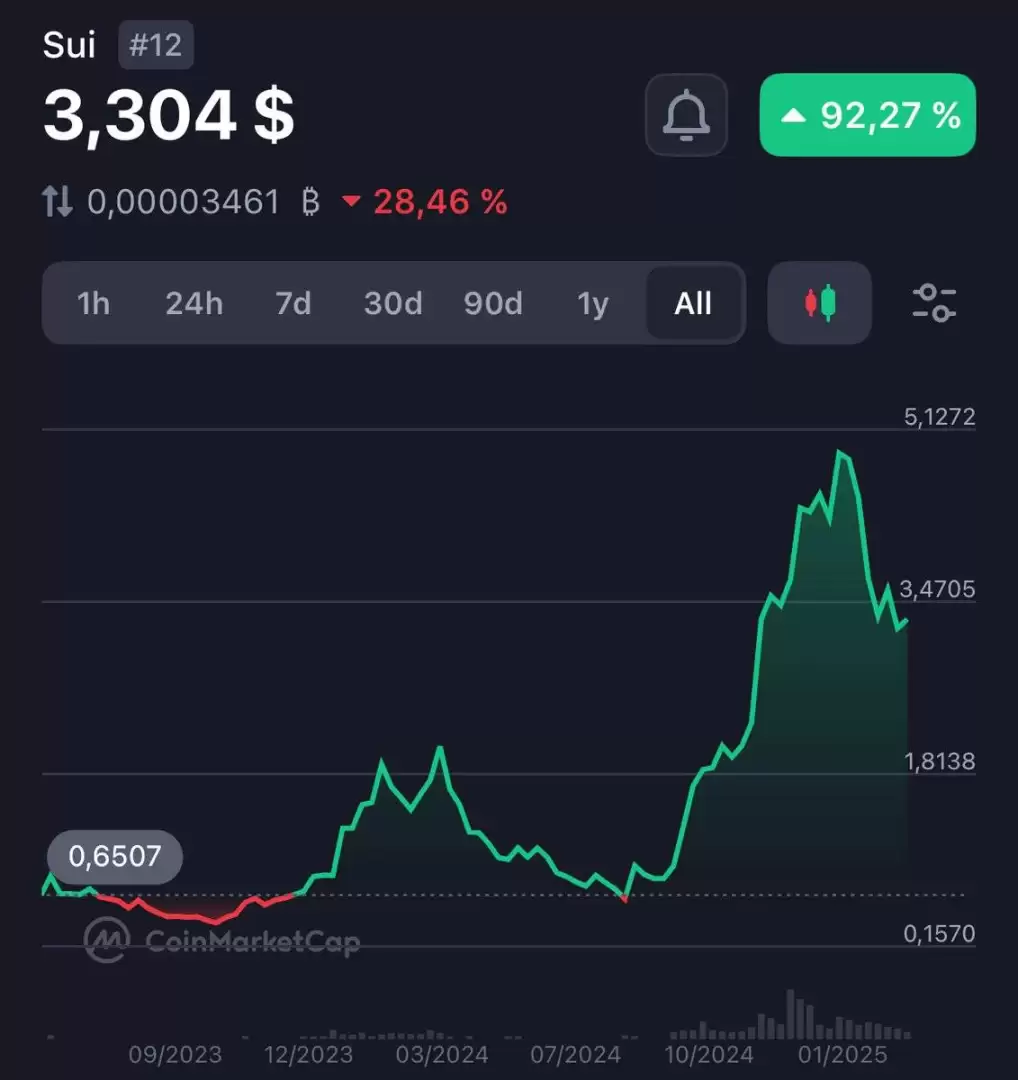
Aptos, fueled by substantial early investment, experienced rapid initial growth, but adoption seems to have plateaued. Sui's growth, however, feels more organic, driven by factors like increased adoption by game and NFT projects, steady DeFi ecosystem development, and a burgeoning developer community. Real-world application, not hype, is fueling Sui's progress.
Network Activity: Sui Takes the Lead
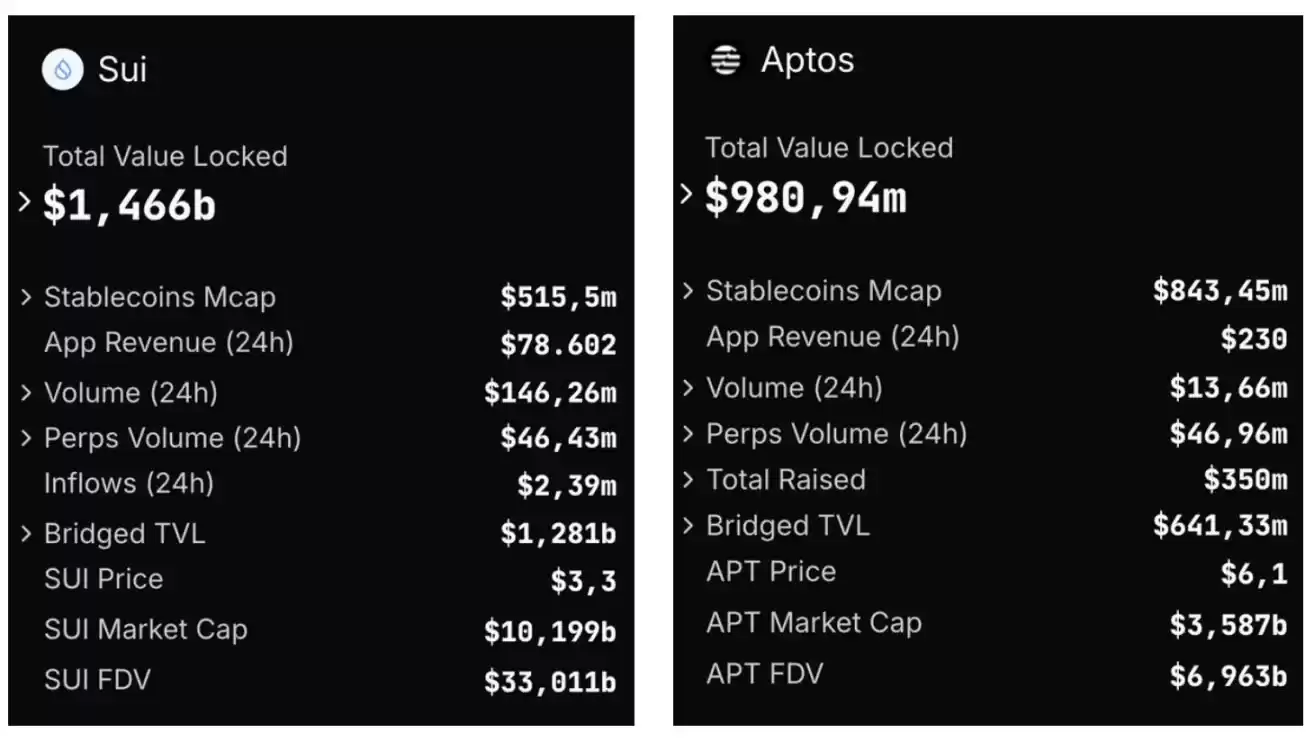
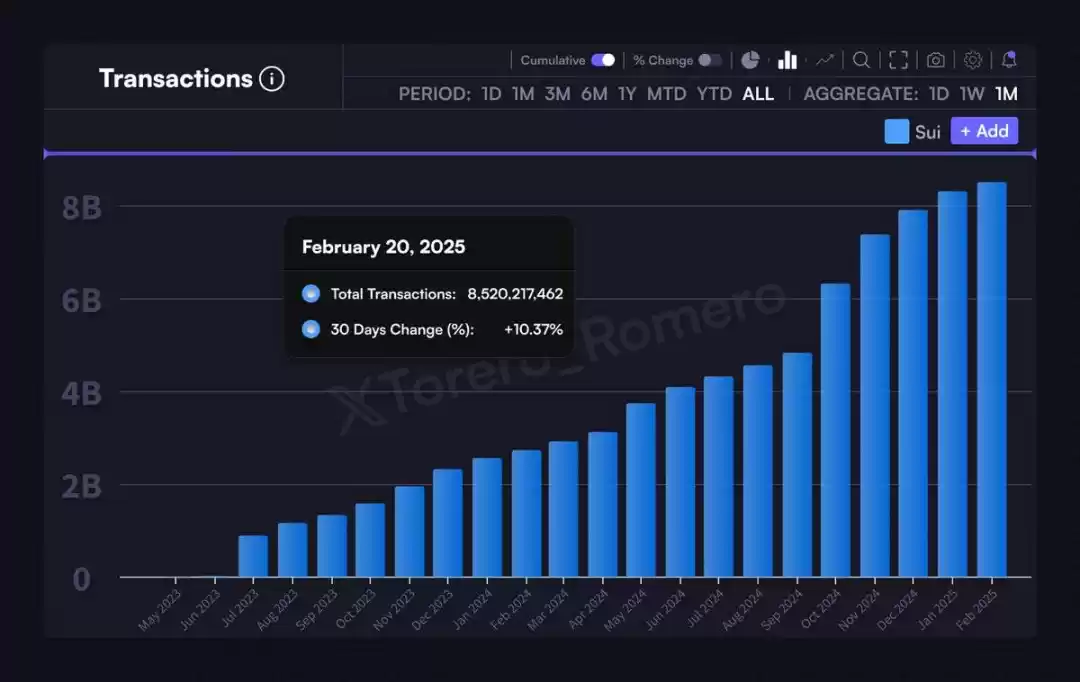
Despite Aptos's higher initial market capitalization, Sui has surpassed it in key metrics like daily transaction volume and user engagement. It boasts a larger active user base and attracts more developers, leading to greater network activity. The data speaks for itself.
Innovation vs. Imitation
Sui isn't just another Move blockchain; it represents a significant leap forward. Its design prioritizes horizontal scalability, native support for gaming and high-frequency transactions, and a more refined fee structure and user experience. Aptos, in comparison, takes a more conservative approach, sticking largely to traditional Layer-1 mechanisms with only incremental improvements.
Conclusion: Sui's Vision for the Future
Aptos plays it safe; Sui reimagines Move, creating a platform better suited for mass adoption. Whether you consider speed, scalability, gas fees, gaming and NFT applications, or ecosystem growth, Sui holds the upper hand. While Aptos isn't a bad project, Sui's architecture and design offer a more compelling vision.
The Crucial Decision: Your Choice?
Are you still clinging to the Aptos narrative, or have you shifted your focus to true technological innovation? I believe Sui represents the most advanced Move blockchain currently available, and this will become increasingly clear.


